NORTH CEILING
CENTRE CEILING
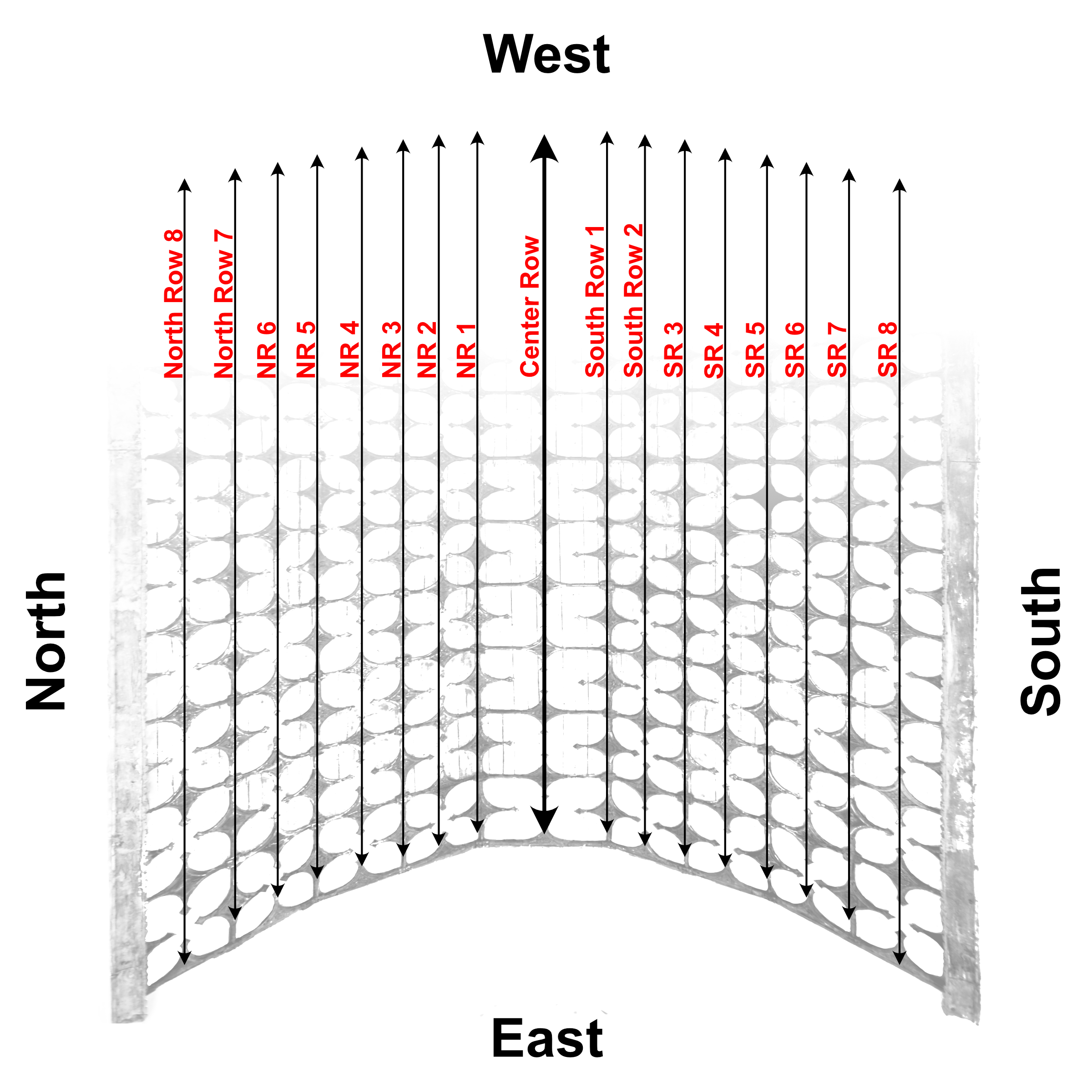

Following the discovery of leaks in the roof tiles over the chancel, significant areas of water-damage and staining developed in the carvings beneath. The urgency was all about getting the roof replaced, which, thanks to generosity of many grant-awarding bodies, private donors, and widespread local support, the roof replacement was completed in November 2024 (see: ‘The Appeal’ drop-down tab).
Once the chancel was water-tight, attention turned to undoing the damage to the carvings and conserving them for the future. Advice was sought from a professional wood conservator, Tristram Bainbridge of Bainbridge Conservation.
This work was supported directly by Churchcare, the William and Jane Morris Church Conservation Grants and the Francis Coales Charitable Foundation, in addition to local donations and fundraising.
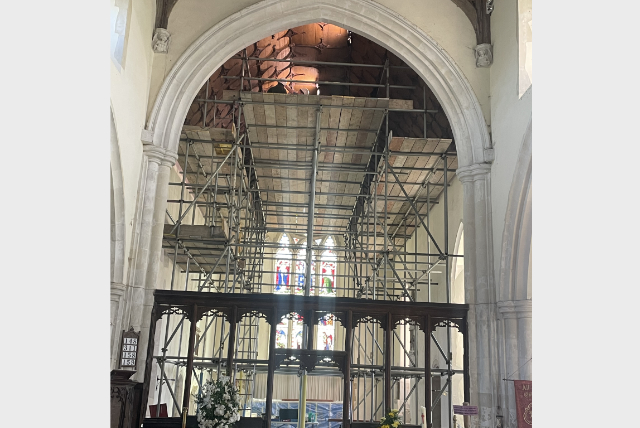
The chancel is scaffolded and the work begins.
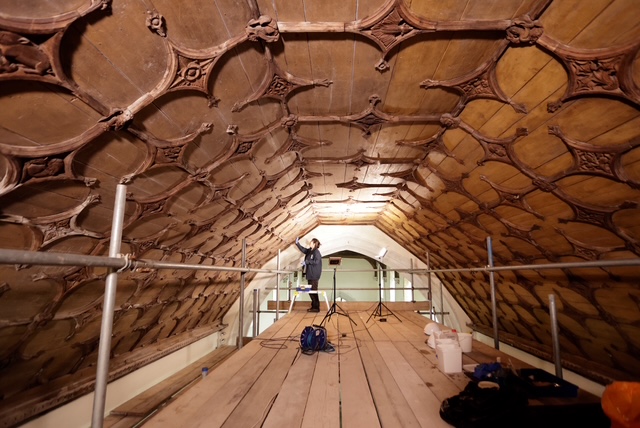
There are well over 300 carvings to receive attention.
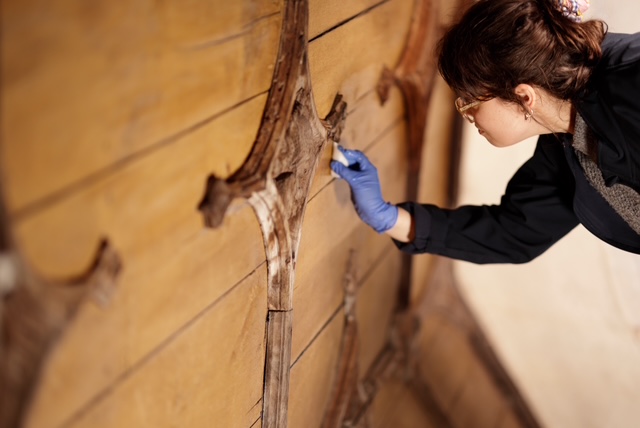
Each carving, and all of the supporting boards behind them, were meticulously cleaned and conserved.
In April 2026, the entire chancel was scaffolded (see Fig 1), and three weeks of painstaking and meticulous cleaning and restoration followed, by Tristram and his team of qualified conservators.
The work has made a profound difference to the appearance of the carvings. Pat Spillane, professional photographer and landlord of the adjacent pub, ‘Munsons’ went up the scaffolding before it was dismantled and took the remarkable photographs shown below. Pat has generously given us free access to them.
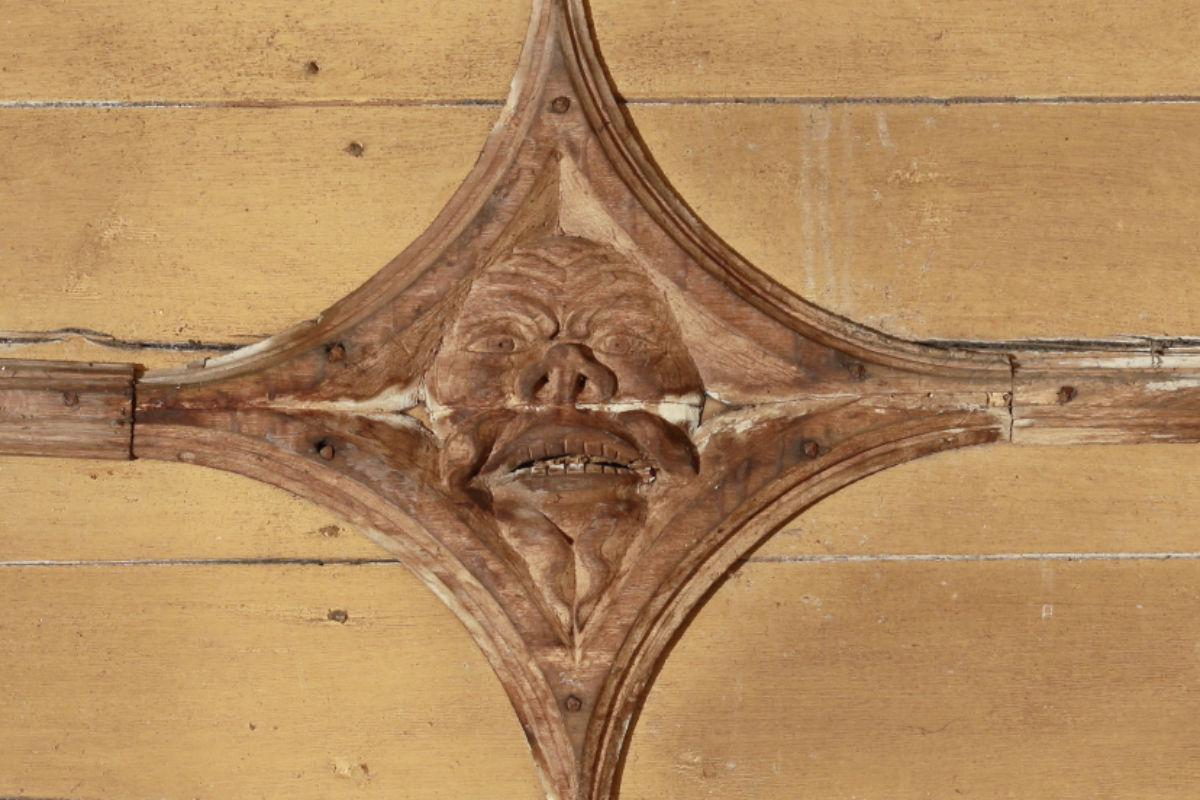
Before cleaning (A)
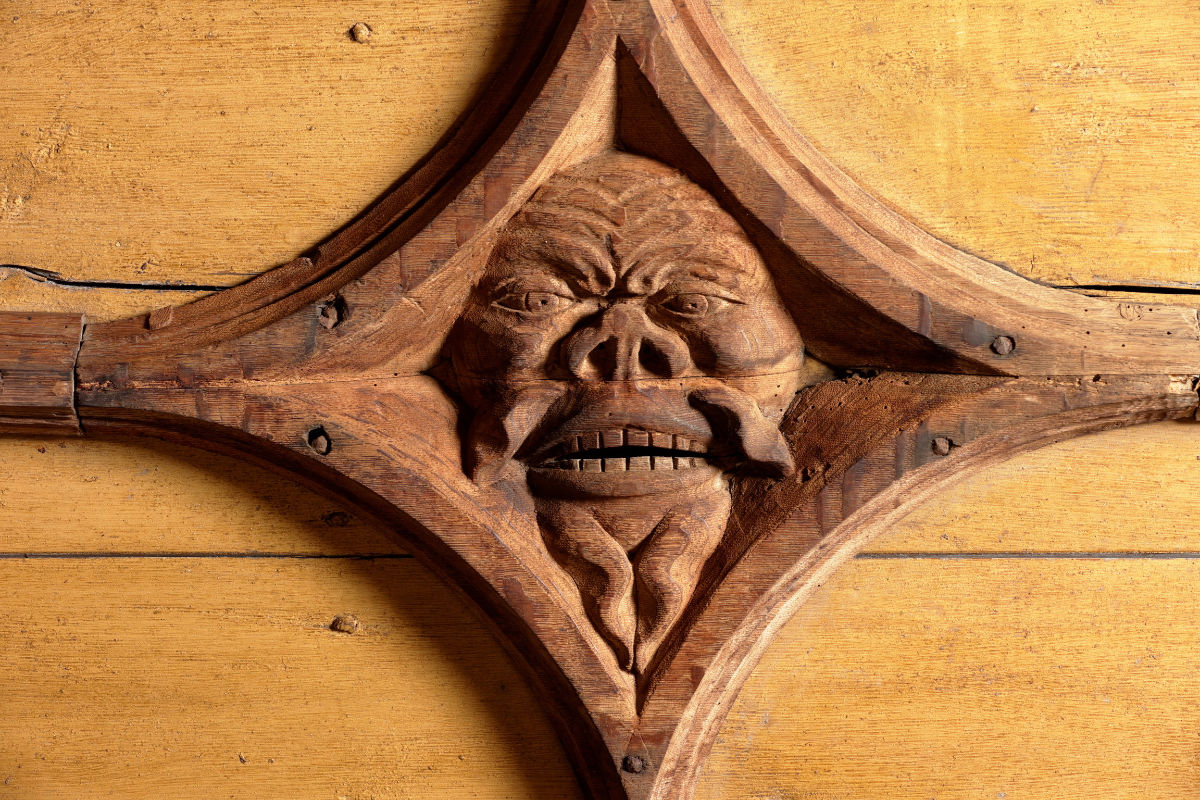
After cleaning (B)
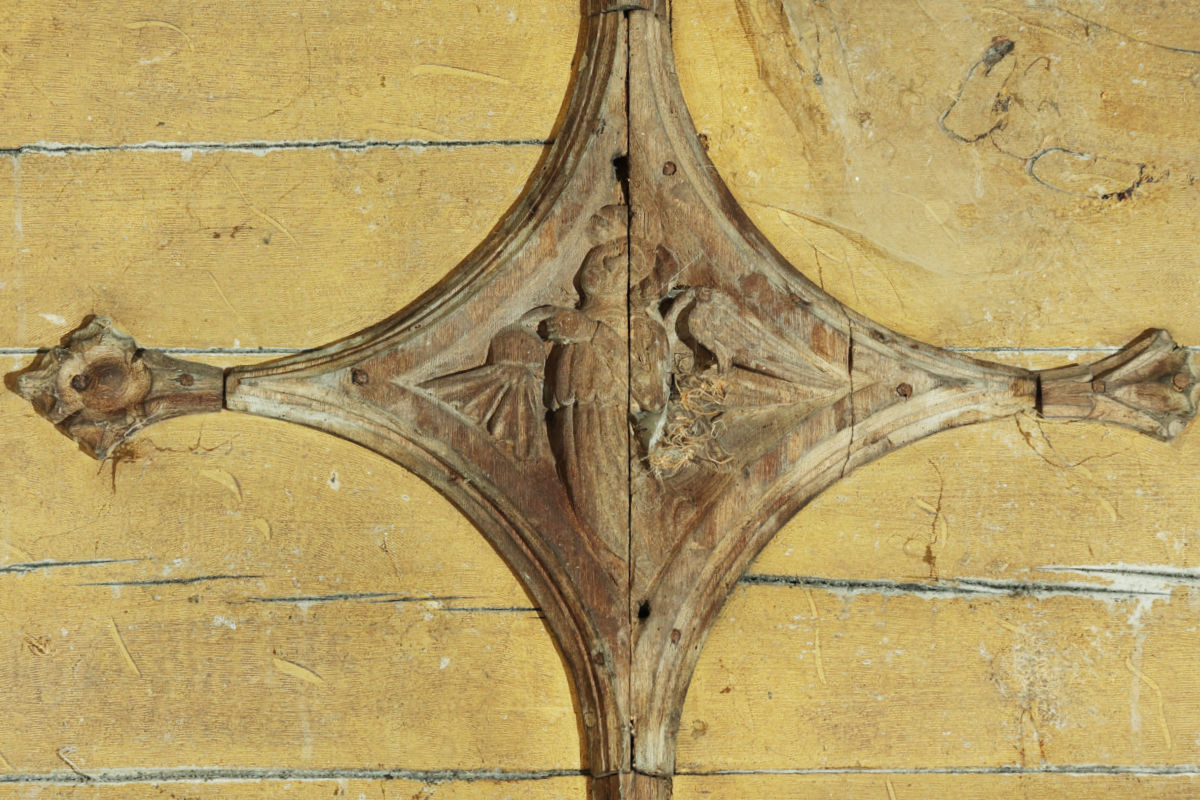
Before cleaning (A)
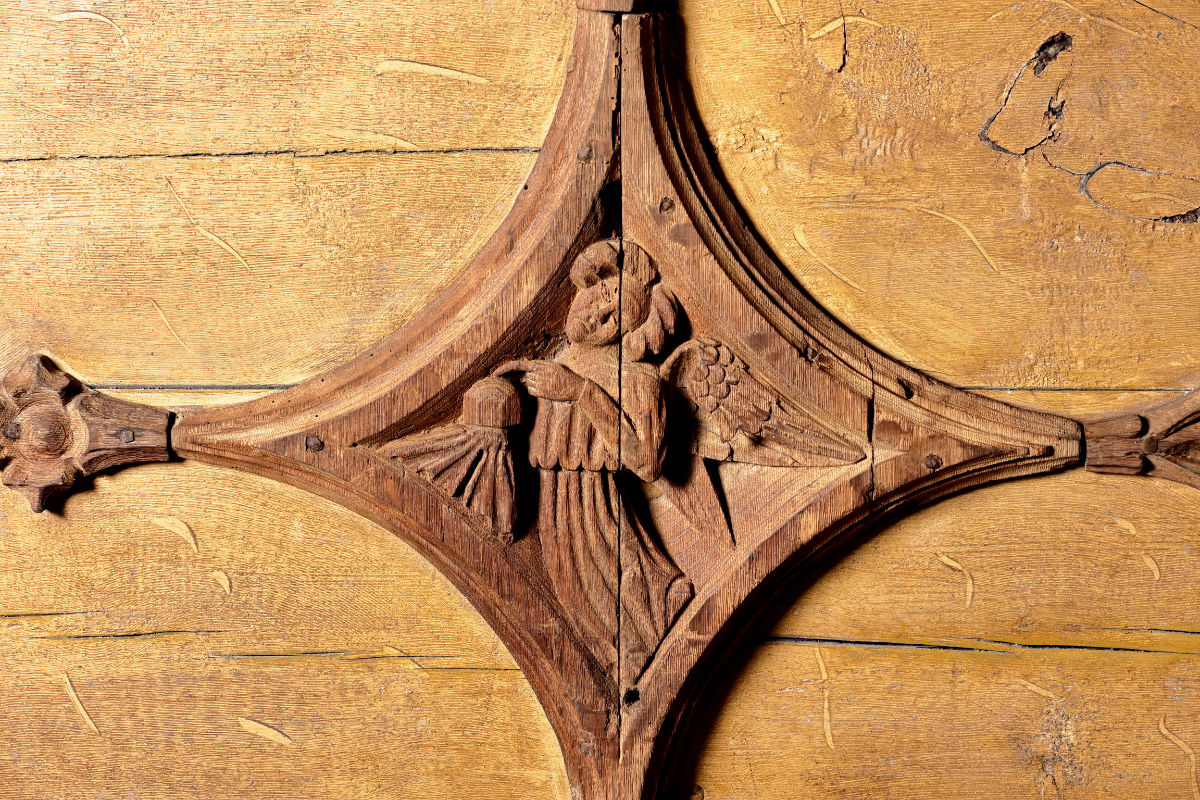
After cleaning (B)
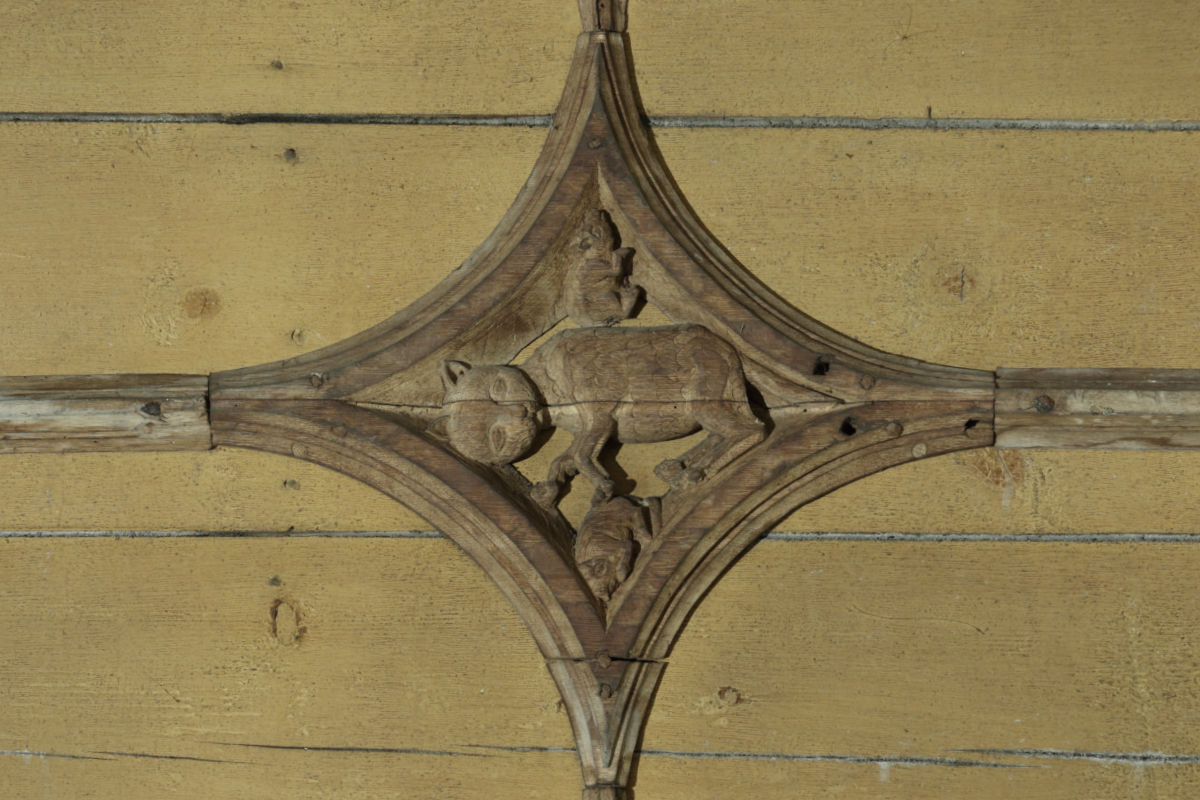
Before cleaning (A)
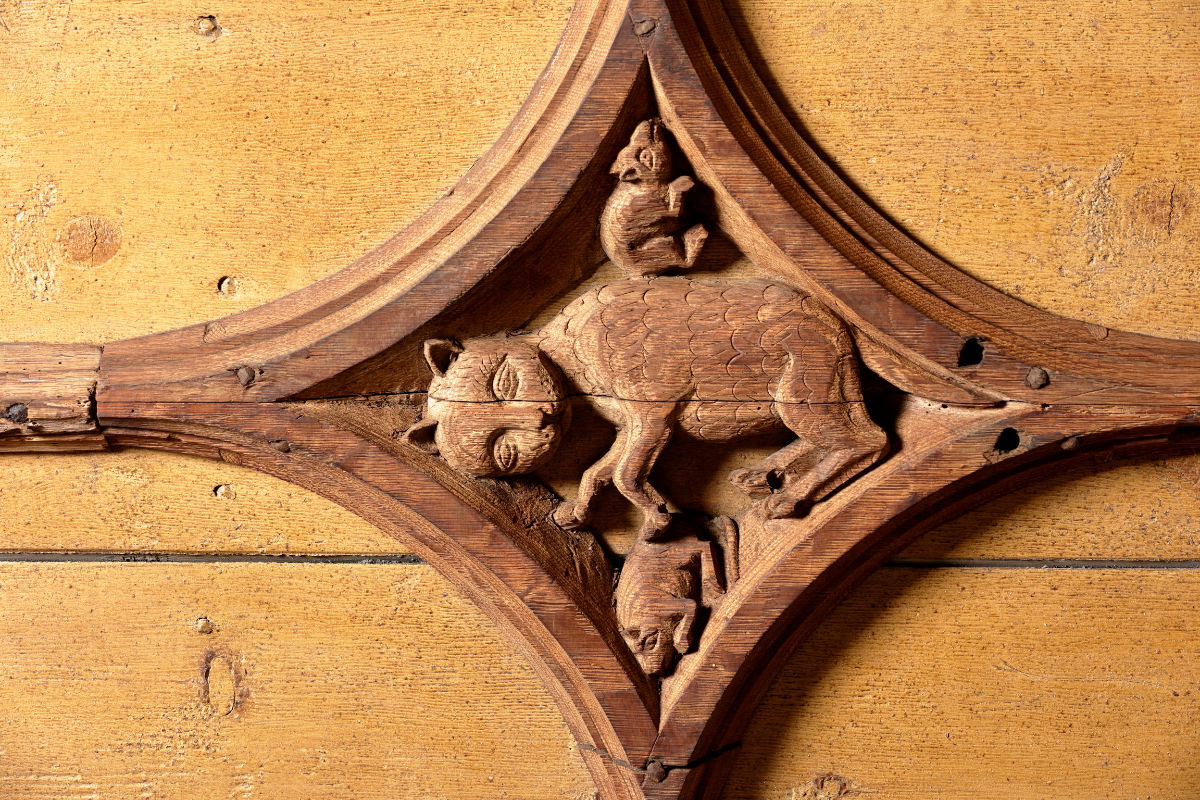
After cleaning (B)
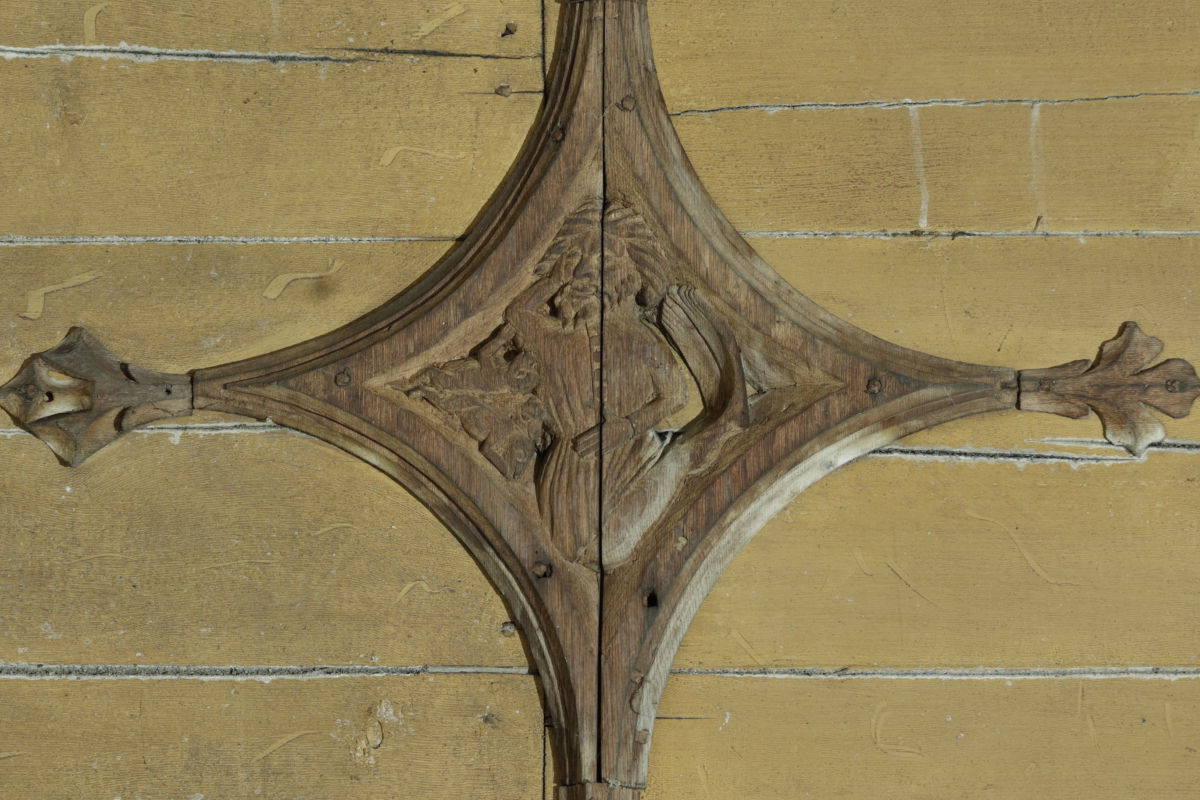
Before cleaning (A)
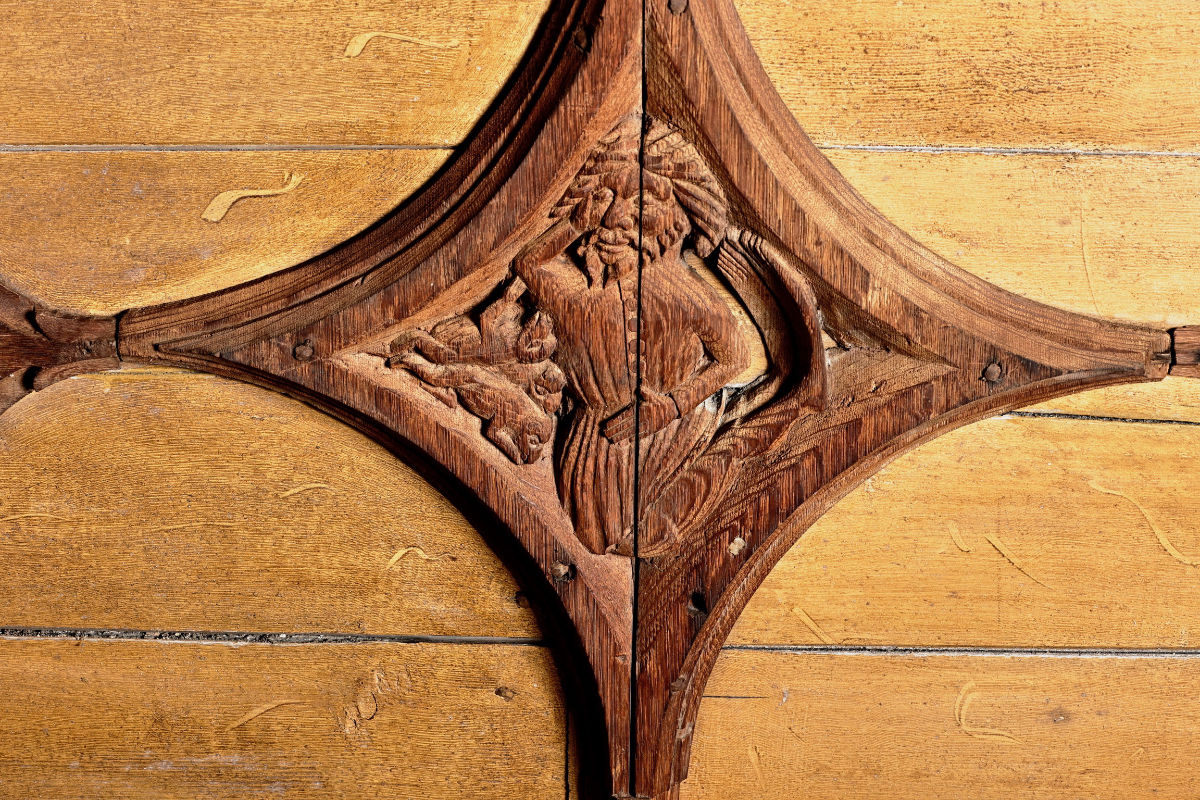
After cleaning (B)
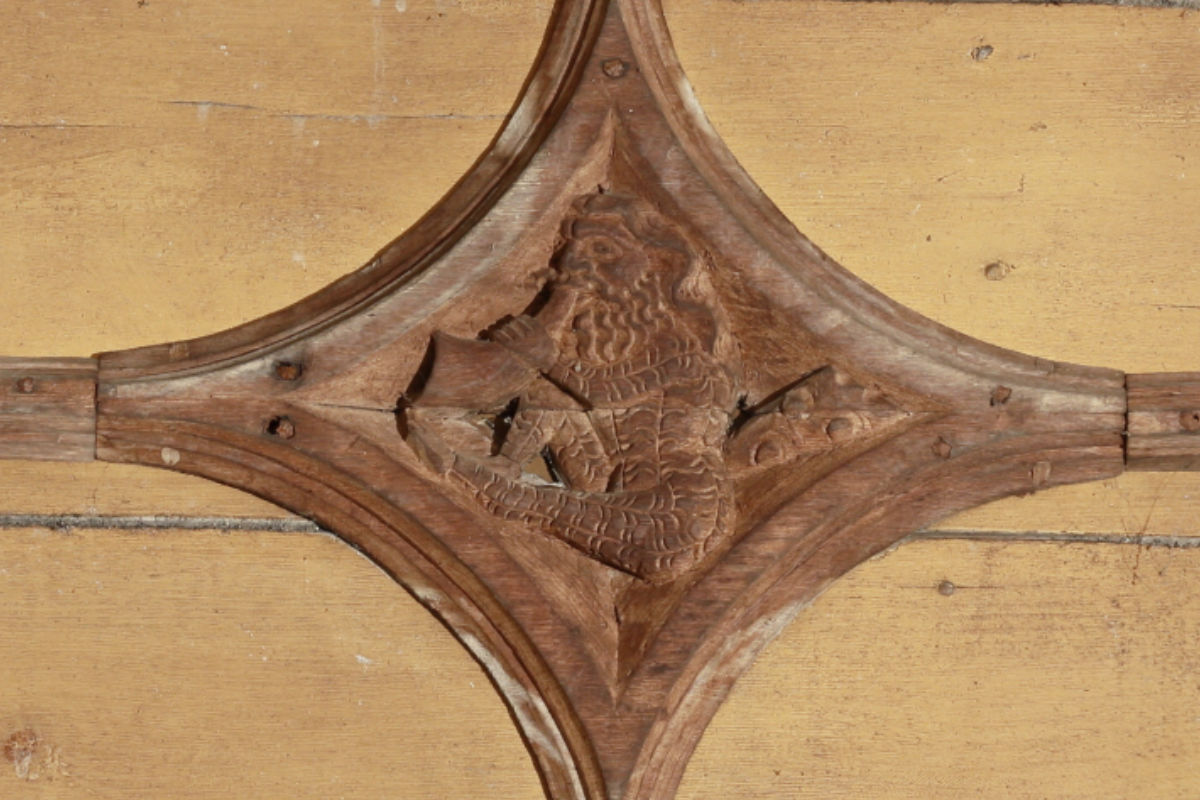
Before cleaning (A)
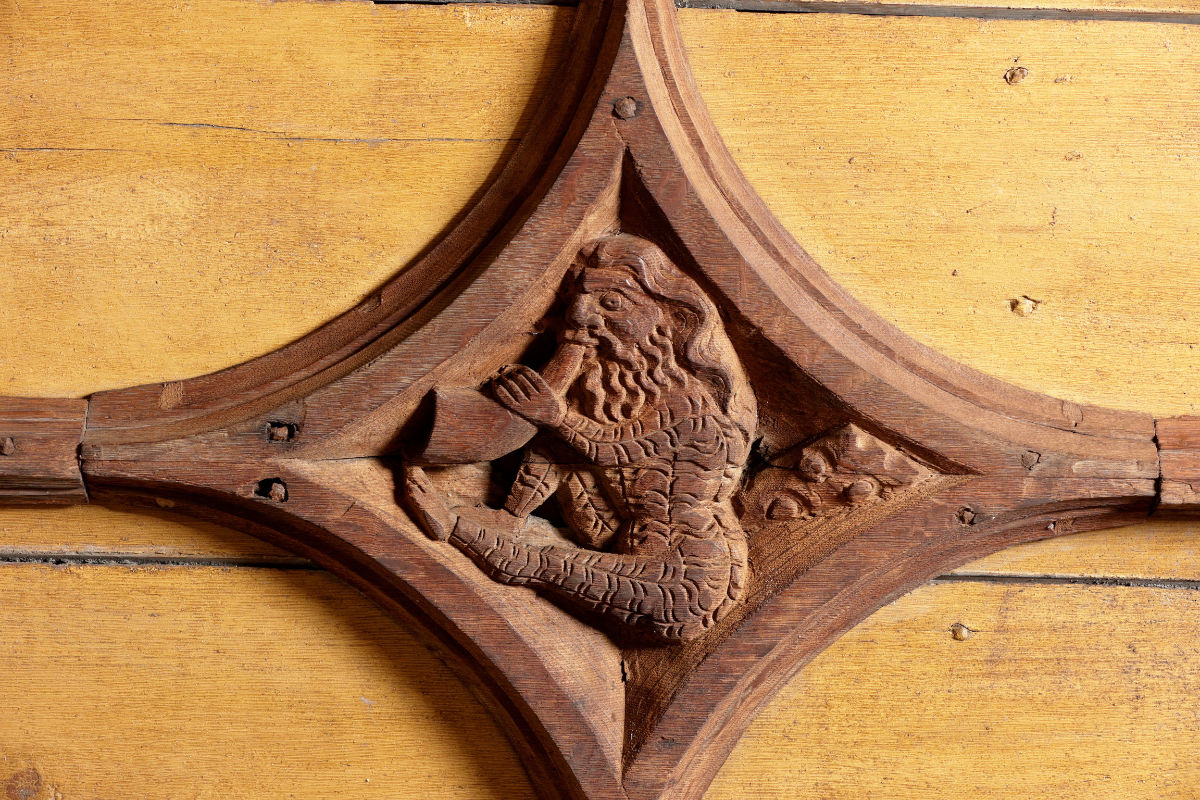
After cleaning (B)
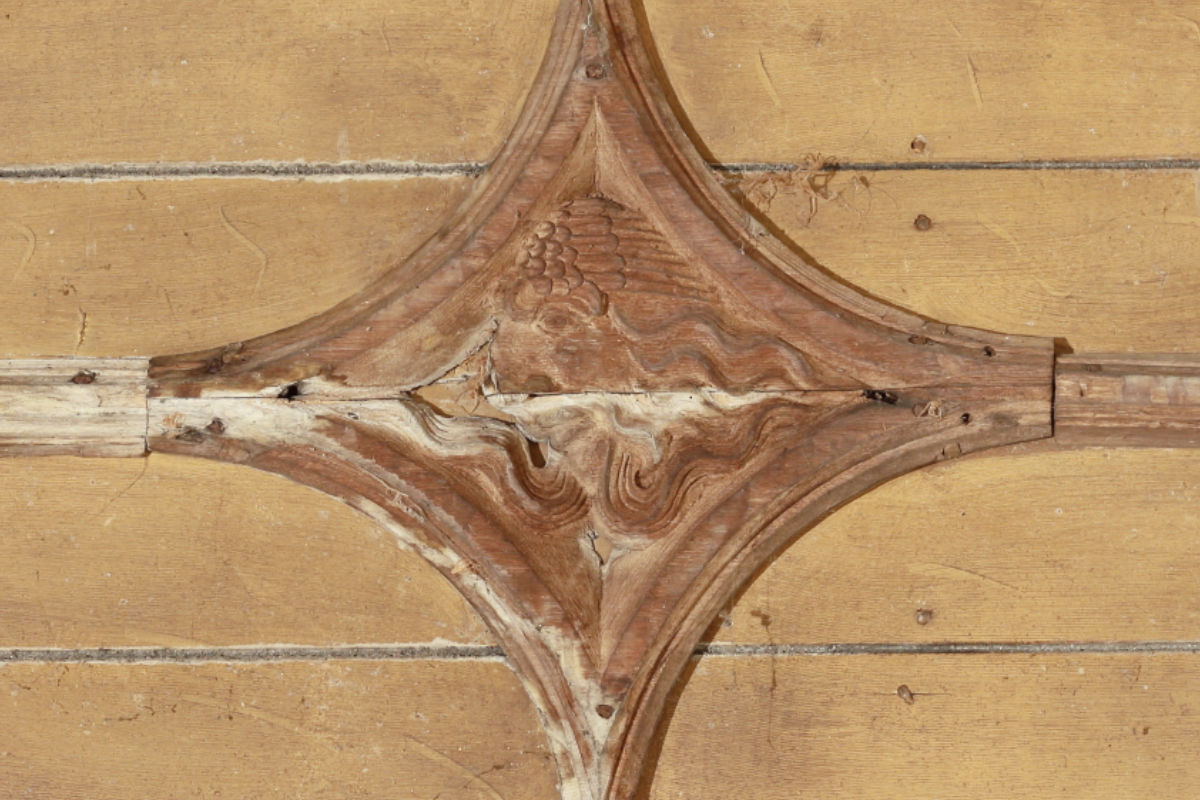
Before cleaning (A)
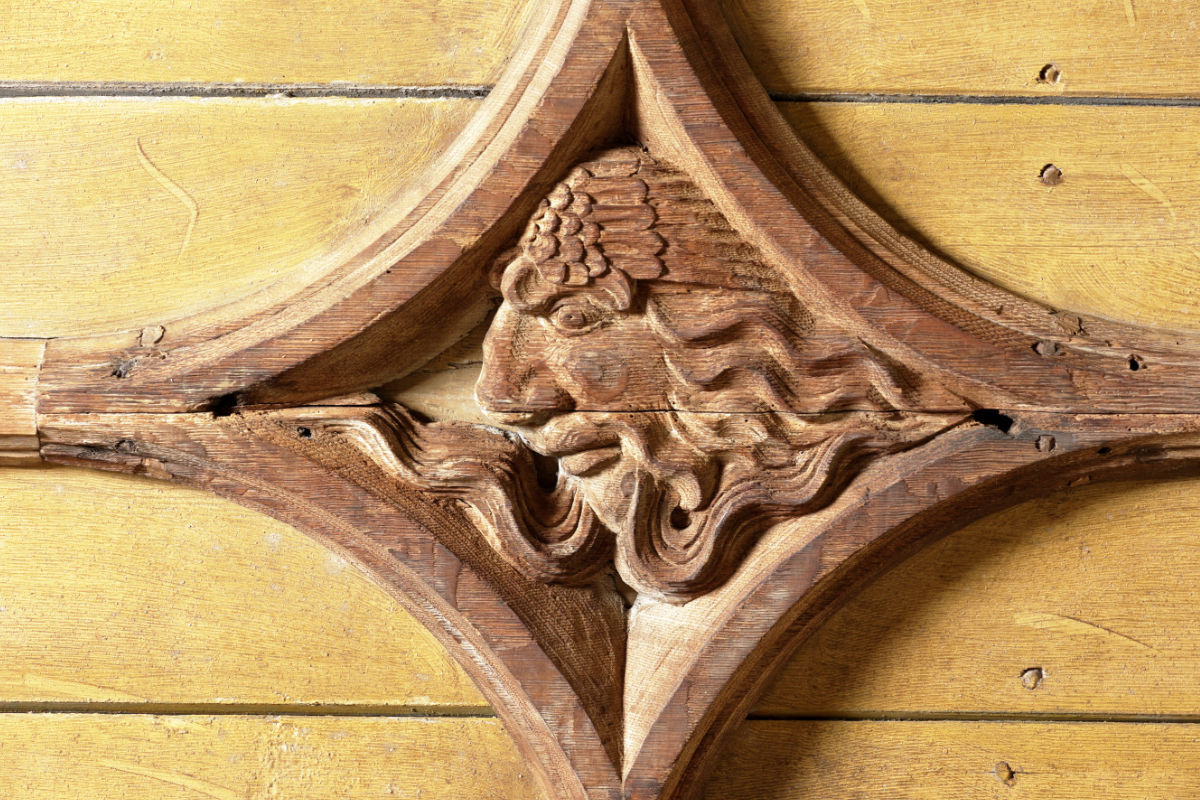
After cleaning (B)
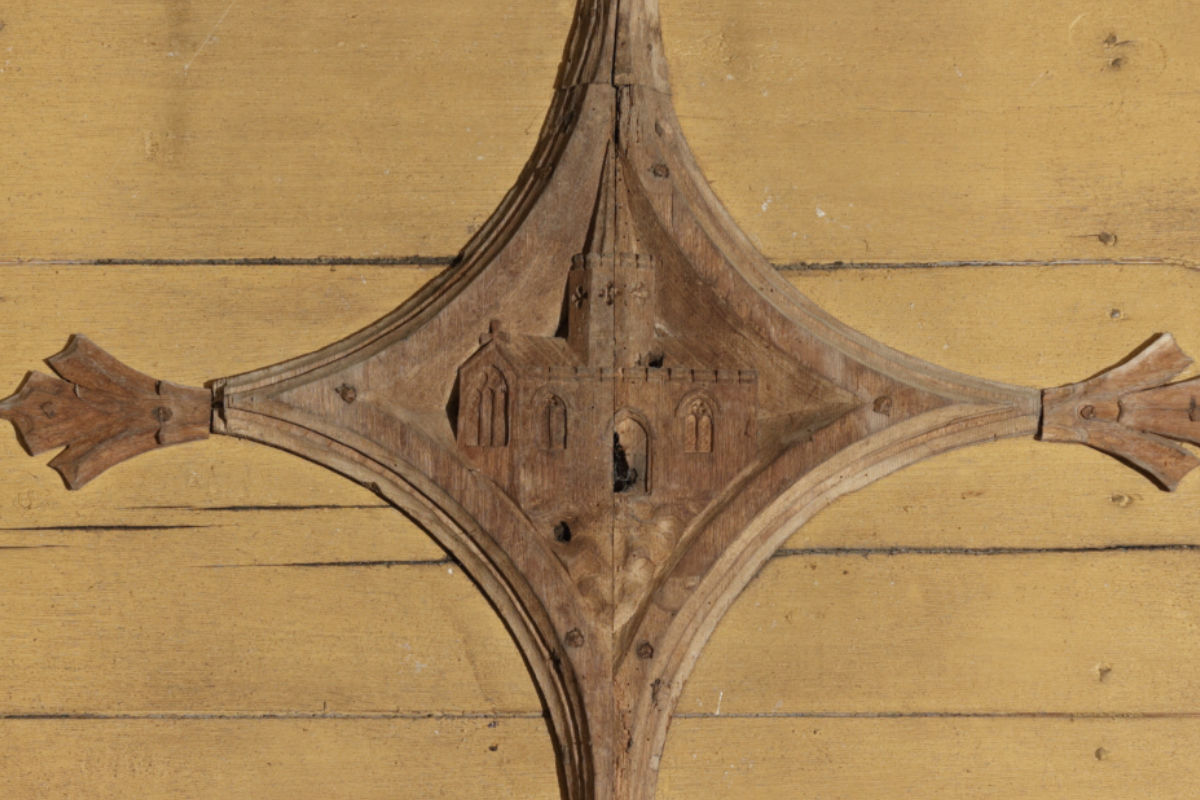
Before cleaning (A)
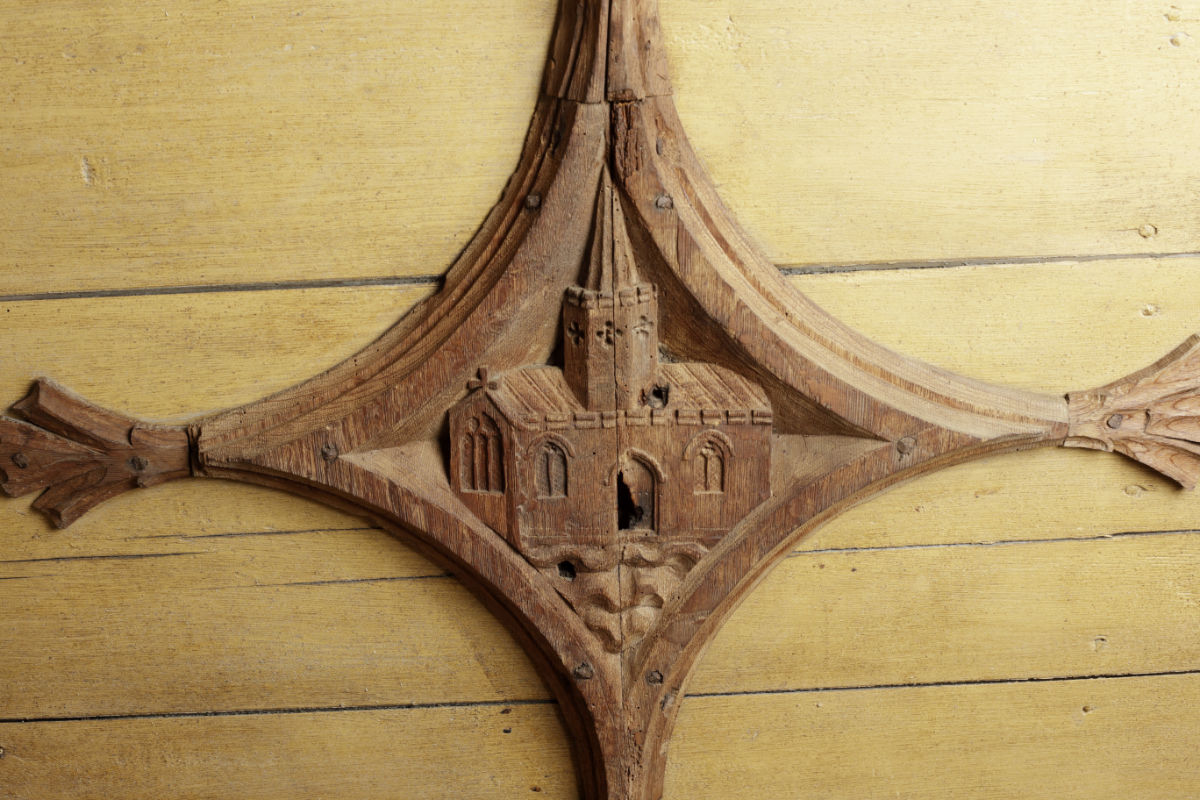
After cleaning (B)
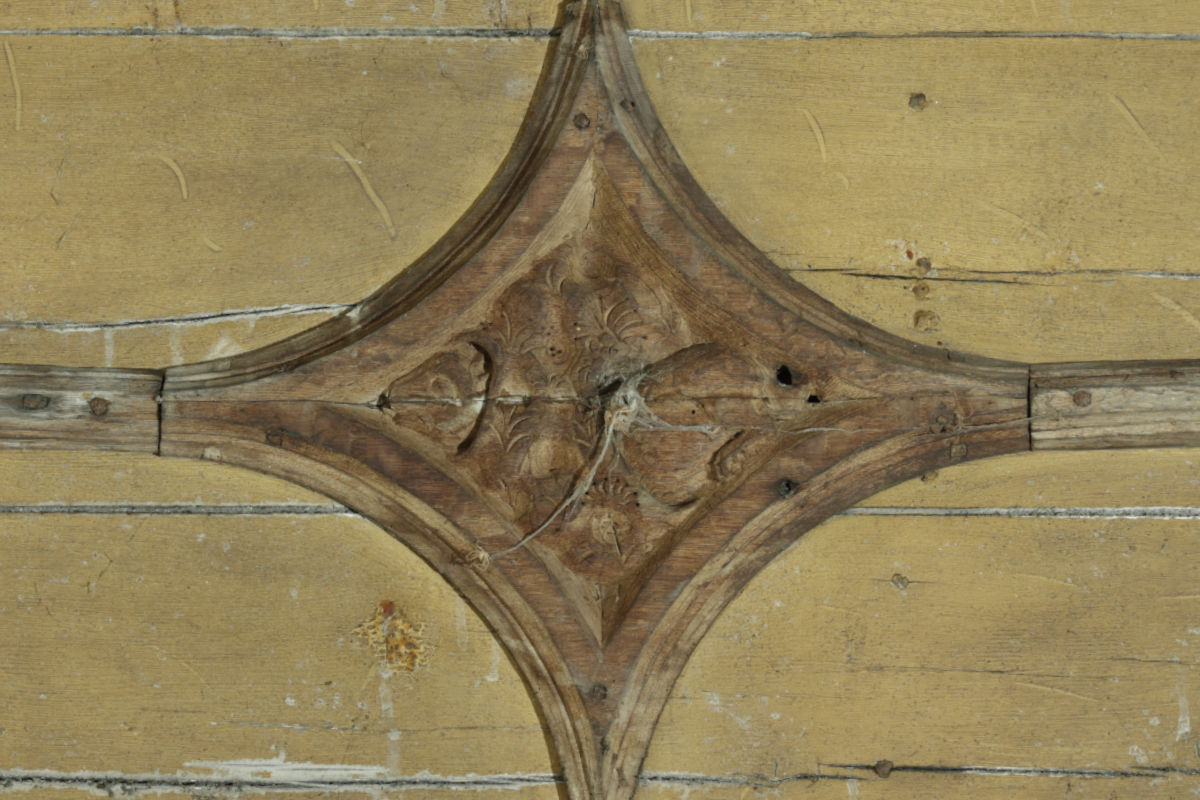
Before cleaning (A)
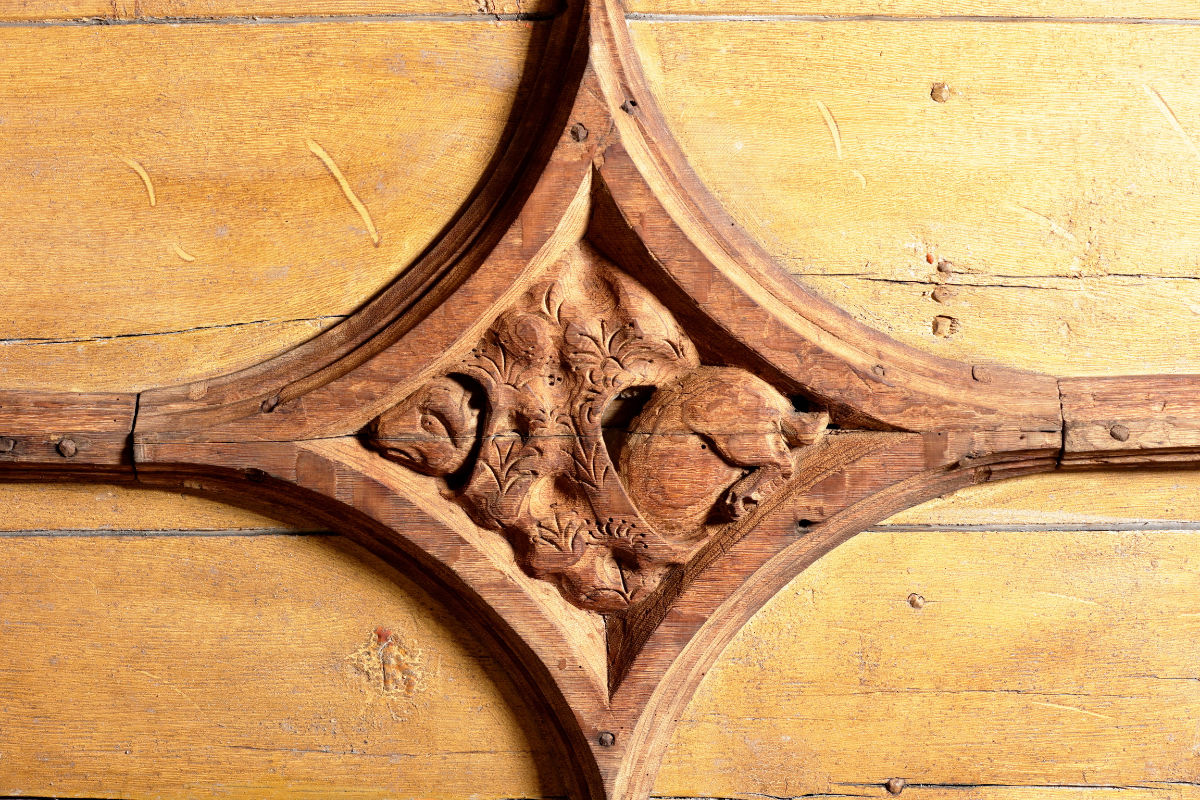
After cleaning (B)
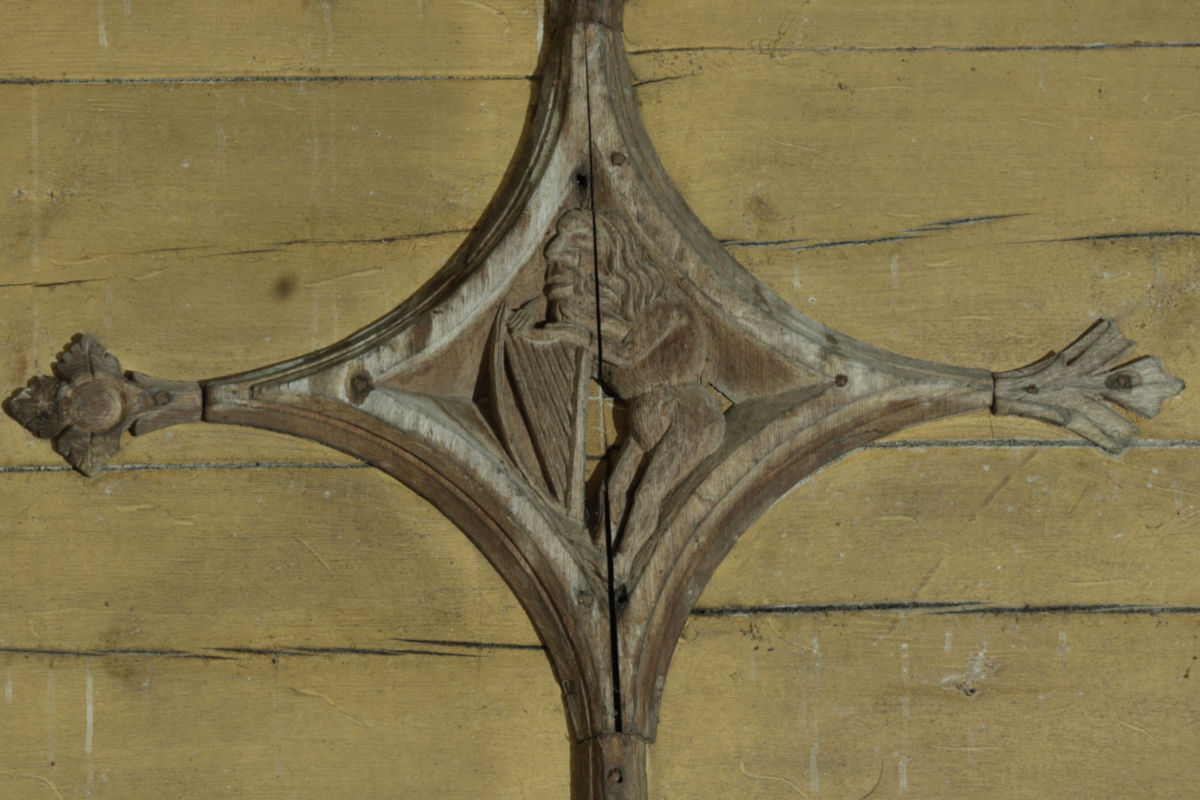
Before cleaning (A)
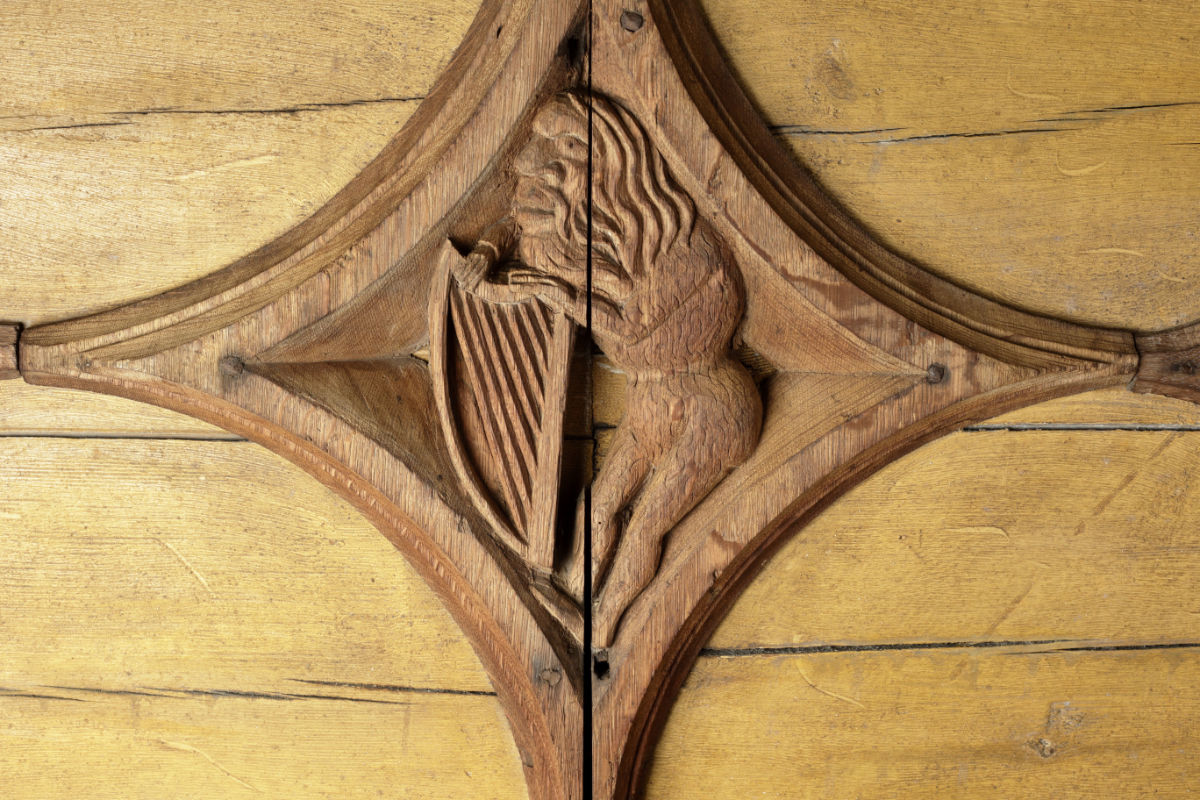
After cleaning (B)
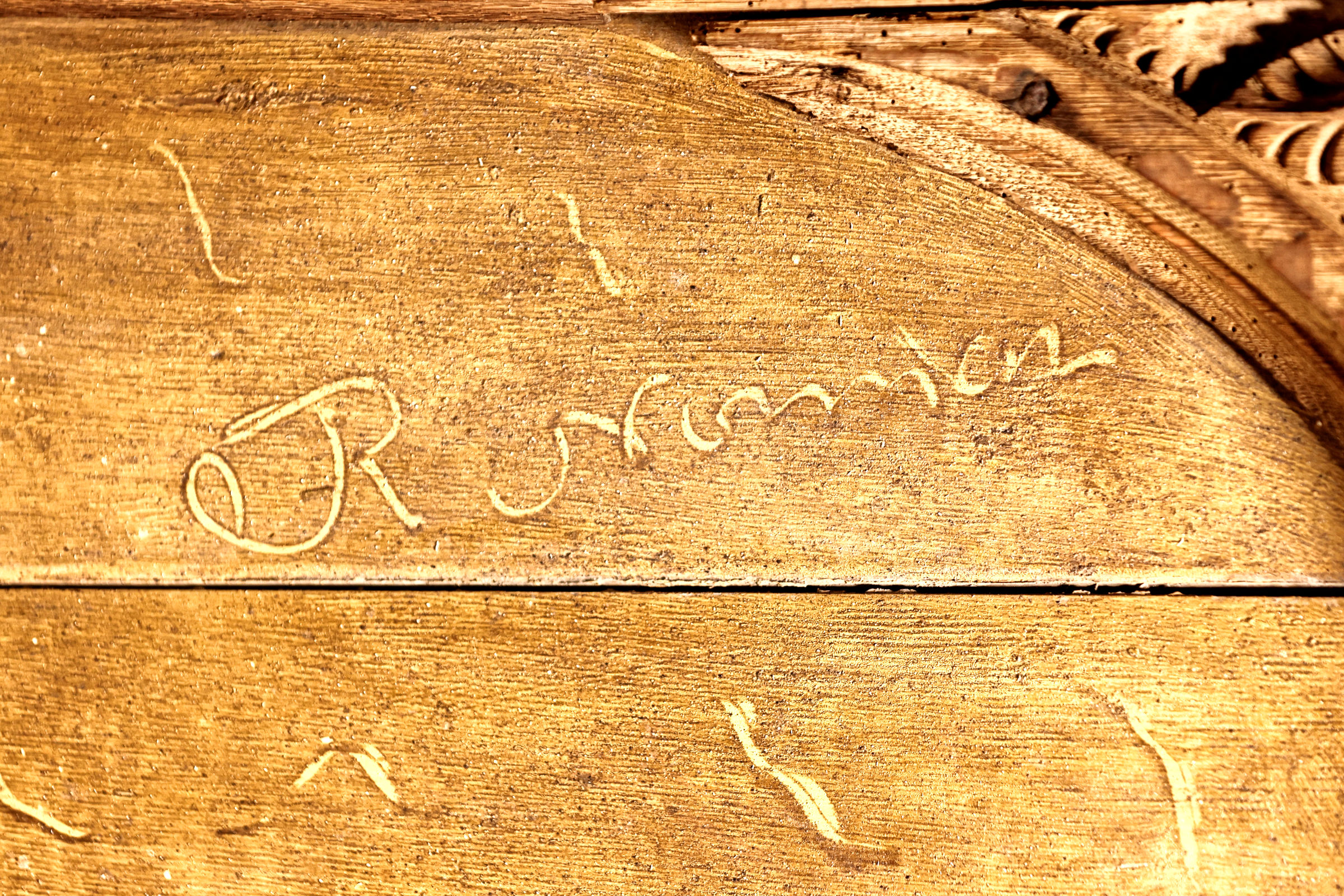
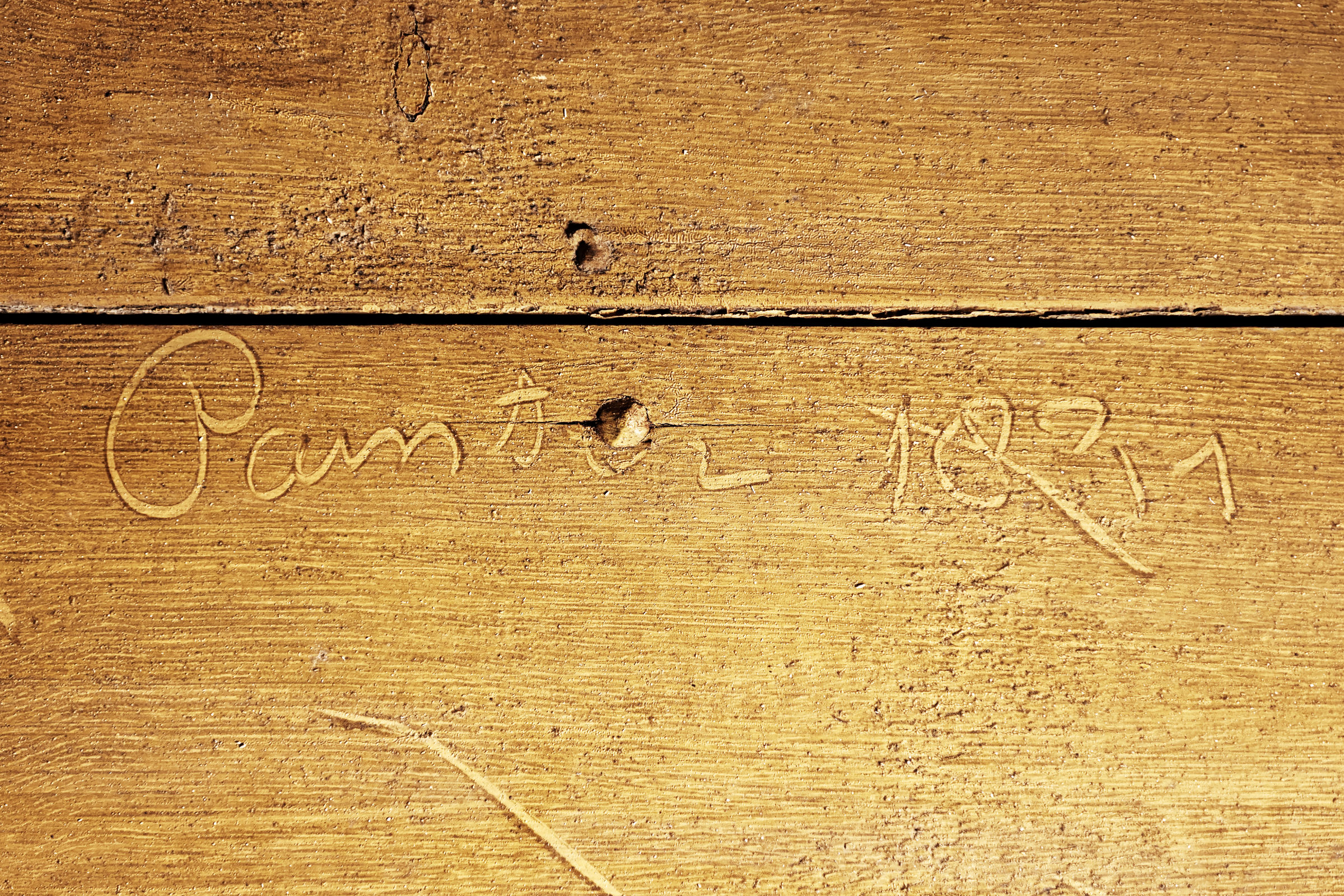
The boards bearing the carvings are thought to be Victorian in date, meaning that all the carvings were removed and re-attached using the iron nails that we see today, not necessarily in their original positions.
We extend sincere thanks to the grant awarding bodies, overseas donors and local individuals who have made this work possible.
(Post-restoration photographs courtesy and copyright of Pat Spillane )